NISSAN G3F37103 Temperature Ac Automatic Control Module
fits model: Altima. make: Nissan. year: 2016.
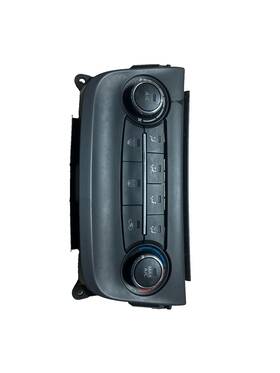
( Manufacturer Part Number: G3F37103 ), ( Part Type: Ac Control Module ), ( Color: Black ), ( Features: No Drilling Or Modifications Needed For Installation ), ( Universal Fitment: No ), ( Country Of Origin: Japan )
Review NISSAN Temperature Ac Automatic Control Module fits ALTIMA 2016
The **Nissan G3F37103 2016 Altima Automatic Temperature & AC Control Module** is a critical electronic component responsible for regulating the climate control system within your vehicle, ensuring optimal comfort and efficiency. This high-quality, direct-fit replacement module is engineered to seamlessly integrate with the 2016 Nissan Altima, maintaining the precise functionality of the original factory unit. Designed with advanced circuitry and robust internal components, this module interfaces directly with the vehicle s climate control system, allowing drivers to adjust temperature, fan speed, and air distribution settings with ease. Built to withstand the demands of daily driving, it features durable wiring harnesses and reliable connectors that minimize the risk of electrical issues, ensuring consistent performance even in varying environmental conditions. Whether you're navigating hot summer days or cold winter mornings, this module works tirelessly behind the scenes to deliver precise climate control, enhancing both passenger comfort and overall driving experience. Perfect for those seeking a hassle-free upgrade or replacement, this module is a direct, no-frills solution that restores full functionality to your Altima s HVAC system without compromising on quality or compatibility.
**Pros and Cons of Buying a Nissan G3F37103 (2016 Altima) Temperature & AC Automatic Control Module**
### **Pros:**1. **Compatibility and Fit:** This module is specifically designed for the 2016 Nissan Altima with the G3F engine code, ensuring a perfect fit without modification. It is built to integrate seamlessly with the vehicle s existing wiring and control systems, reducing the risk of electrical issues.
2. **Improved Climate Control:** The module enhances the automatic temperature and air conditioning control system, allowing for more precise and responsive adjustments. This can lead to better passenger comfort, especially in varying weather conditions.
3. **Potential Reliability Fix:** If the original module was faulty (e.g., causing erratic temperature control, AC malfunctions, or error codes like P0607 or P0608), replacing it with a new or high-quality aftermarket unit can resolve these issues, restoring the vehicle s climate control functionality.
4. **Cost-Effective Repair:** Replacing the module is often more affordable than repairing or replacing the entire HVAC system or dashboard components. It can also be cheaper than labor-intensive diagnostics if the original module was the root cause of the problem.
5. **Aftermarket Quality Options:** Some aftermarket modules are designed to match or exceed OEM (Original Equipment Manufacturer) standards, offering durability and performance comparable to a new Nissan part. Brands like ACDelco, Dorman, or other reputable suppliers provide reliable alternatives.
6. **Easy Installation:** The module is typically a straightforward swap, requiring basic tools and minimal technical skill. Many users and mechanics report that installation takes less than an hour, especially if the vehicle s wiring harness is accessible.
7. **Extended Lifespan for Other Components:** Fixing the module can prevent further wear on related systems, such as the HVAC blower motor, sensors, or the dashboard s electronic control unit, potentially saving money on additional repairs down the line.
---
### **Cons:**1. **Quality Variability:** Not all aftermarket modules are created equal. Low-quality or counterfeit parts may fail prematurely, leading to recurring issues or even worse performance than the original. It s crucial to purchase from trusted suppliers or verify the part s authenticity.
2. **Potential Compatibility Issues:** While the module is designed for the 2016 Altima, slight variations in wiring or software between trim levels or model years could cause minor compatibility issues. Always double-check the part number and vehicle specifics before purchasing.
3. **Diagnostic Challenges:** If the original module was damaged due to a larger electrical issue (e.g., a short circuit, water damage, or a failing fuse), replacing just the module may not solve the underlying problem. Thorough diagnostics are essential before purchasing.
4. **Limited Warranty:** Some aftermarket modules come with short or no warranties compared to OEM parts, which often include a manufacturer s warranty. This could leave you without recourse if the module fails shortly after installation.
5. **Skill Dependency:** While installation is generally simple, inexperienced DIYers might struggle with wiring or calibration steps. Incorrect installation could lead to malfunctions, such as the AC not turning on or the temperature control being unresponsive. Professional installation may be necessary for peace of mind.
6. **Software or Calibration Needs:** In rare cases, replacing the module may require recalibration or reprogramming of the vehicle s ECU (Engine Control Unit) or HVAC system. This step is often handled by dealerships or specialized shops, adding to the cost.
7. **Market Availability:** Depending on the region, finding a genuine or high-quality aftermarket module may require ordering from online retailers, which could involve shipping delays or higher prices due to import fees.
---
### **Conclusion:**Buying a replacement **Nissan G3F37103 (2016 Altima) Temperature & AC Automatic Control Module** is a practical solution for restoring or improving your vehicle s climate control system. The benefits such as precise temperature regulation, cost savings, and ease of installation outweigh the potential drawbacks if you source a reliable part and ensure proper installation. However, the cons highlight the importance of due diligence: verifying the part s quality, diagnosing the root cause of the issue, and considering professional assistance if needed.
For most owners experiencing symptoms like erratic temperature control, AC failure, or error codes related to the module, this replacement is a worthwhile investment. It strikes a balance between affordability and effectiveness, provided you avoid cheap knockoffs and follow installation guidelines carefully.
---
### **Recommendation:**1. **Verify the Issue:** Before purchasing, confirm that the module is indeed the problem. Use an OBD-II scanner to check for related error codes (e.g., P0607, P0608) and inspect the module for physical damage (burn marks, corrosion, or loose connections).
2. **Choose a Reputable Supplier:** Opt for an OEM replacement from Nissan or a high-quality aftermarket brand with positive reviews (e.g., ACDelco, Dorman, or local auto parts stores with return policies). Avoid unknown sellers on platforms with no return or warranty options.
3. **Prepare for Installation:** Gather the necessary tools (screwdrivers, wire strippers, multimeter for testing) and follow a step-by-step guide or video tutorial. If unsure, consult a mechanic to avoid voiding warranties or causing further damage.
4. **Consider Professional Help:** If the module is part of a larger electrical issue (e.g., water damage, fuse problems), a professional can diagnose and address the underlying cause, ensuring the replacement lasts.
5. **Test After Installation:** After replacing the module, thoroughly test the HVAC system to ensure the temperature and AC controls work as expected. Monitor for any recurring issues in the first few weeks.
For the average Altima owner dealing with climate control problems, this replacement is a **strongly recommended fix** it s a cost-effective, straightforward solution that can significantly improve comfort and reliability. Just ensure you prioritize quality and proper installation to avoid future headaches.
Details:
It is not a vintage part and universal fitting, ensuring it compatible reliable option for your Nissan Altima. The 2016 Nissan Altima Temperature AC Automatic Control Module G3F37103 is a black module designed specifically for vehicles. Manufactured in Japan, this module does not require any drilling or modifications for installation, making it a convenient and easy-to-use part controlling the temperature your car.
part #: g3f37103 price
- $50.00
specifications nssnheatcontrol:
- for models: Altima
- for makes: Nissan
- for years: 2016
- mpn: G3f37103
- part type: Ac Control Module
- color: Black
- features: No Drilling Or Modifications Needed For Installation
- universal fitment: No
- country of origin: Japan
payments nssnheatcontrol:
- other
- credit card: Mastercard
- wallet: Apple-pay
general nssnheatcontrol:
- condition: Used
- Car Truck Parts Accessories > Air Conditioning Heating > HVAC Controls Control Units
seller nssnheatcontrol:
- # reviews: 545
- city: San Marcos, Texas
- rating: 96.2%
offer nssnheatcontrol:
- options: Ship-to-home
- started: May 10, 2026
- sold: 0
- availability: In Stock
- quantity: 1
returns nssnheatcontrol:
- paid by: Seller
- policy: Returns Accepted
- time: 30 Days
shipping nssnheatcontrol:
- carrier: USPS
- service: USPS Priority Mail Express, USPS Priority Mail Padded Flat Rate Envelope
- type: Fixed
- transit: 3-4 Days
- class: Expedited
- cost: $0.00
Nissan G3F37103 Is Similar To:
- 100520005 1018760 Nissan Titan Temp Ac Air Heat Climate Control Switch Unit (44.8% similar) This listing is for the climate control pictured above listed vehicles. Buyers must confirm compatibility prior to purchase. This unit comes with a 30 day warranty. Please do your best to make sure getting the correct part. Any buyers outside of that must get a shipping quote prior to purchase. This...(April 26th, 2018)
- Zk949hac144 165820650lkq Zk949hac144 Nissan 2017 Altima (27.6% similar) ...(October 27th, 2017)
- Zl231hac144 172265550lkq Zl231hac144 Nissan 2014 Altima (27.6% similar) ...(January 17th, 2018)
- Zl367hac144 174392742lkq Zl367hac144 Nissan 2012 Altima (27.6% similar) ...(February 22nd, 2018)
- Zl836hac144 186313122lkq Nissan Altima Ac Heat Manual Temperature Control Unit Oem (46.7% similar) ...(June 25th, 2018)
- Zl936hac144 188497218lkq Nissan Altima Ac Heat Temperature Control Unit Oem (49% similar) ...(July 11th, 2018)
- Zl945hac144 188827252lkq Nissan Sentra Ac Heat Temperature Control Unit Oem (44.8% similar) May fit other years and model's...(July 19th, 2018)
- Zm137hac144 192250455lkq Nissan Nv Manual Ac Heat Temperature Control Unit Oem (45.2% similar) ...(November 28th, 2018)
- 00 Nissan Xterra Temperature Control (56.3% similar) However, if a problem should occur please via messenger as soon possible. If these components are of concern please prior to purchase. Engines and transmissions will include components that are pictured on the engine or transmission. If an item arrives damaged, please via messenger within 24 hours ...(September 17th, 2017)
- 0000 Nissan Oem Warranty Maxima Heat Climate Temp Control (40.3% similar) My part number is different but from the same car, will it work for me. The purpose of this is twofold:first, it protects you from unscrupulous mechanics who do not like buying such an inexpensive part a wholesaler they prefer to up-sell and sell more expensive replacement. Do not purchase an item ...(September 27th, 2018)
- 001032218 Nissan Sentra Climate Control Heater And (39.3% similar) In good shape. Graphics are bright and clear. All mounting points are intact...(March 23rd, 2018)