NISSAN 157982009 Leaf Temperature Control
fits make: Nissan. year: 2013–2016.
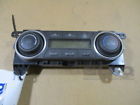
( Part Type: Control ), ( Warranty: 90 Day ), ( Warranty Length: 90 Day Warranty ), ( Vehicle Interior Trim Code: G )
Review NISSAN Leaf Temperature Control Oem fits 2013–2016
The 157982009 Nissan Leaf Temperature Control is an essential component for maintaining the ideal climate inside your 2013-2016 Nissan Leaf electric vehicle. This temperature control system is designed to work seamlessly with your vehicle's heating and cooling system, ensuring your comfort regardless of the external temperature.
The system features an intuitive control panel located on the dashboard, allowing you to easily adjust the temperature to your preference. It includes both heating and cooling functions, ensuring that you stay warm during winter drives and cool in the summer. The temperature control system is also energy-efficient, utilizing the vehicle's battery power to heat or cool the cabin without draining the battery unnecessarily.
The 157982009 Nissan Leaf Temperature Control is built to last, with high-quality materials and robust construction. It is designed to withstand the rigors of daily use and is backed by a manufacturer's warranty for peace of mind. The system is easy to install, with clear instructions and diagrams included, and it is compatible with all 2013-2016 Nissan Leaf models.
In summary, the 157982009 Nissan Leaf Temperature Control is an essential accessory for any Nissan Leaf owner. It provides reliable temperature control, is energy-efficient, and is easy to install. With its high-quality construction and manufacturer's warranty, you can trust that this temperature control system will keep you comfortable for years to come.
Pros of buying a 2013-2016 Nissan Leaf with temperature control:1. Environmental Friendliness: The Nissan Leaf is a fully electric vehicle, which means it doesn't emit any tailpipe emissions, reducing your carbon footprint.
2. Cost-Effective: Electric vehicles can be cheaper to run in the long term due to lower fuel costs and fewer maintenance needs compared to internal combustion engine vehicles.
3. Temperature Control: The temperature control feature allows you to heat or cool the vehicle's interior, making it more comfortable to drive in various weather conditions.
4. Energy Efficient: Electric vehicles generally have higher energy efficiency ratings than gasoline-powered vehicles, as they convert a higher percentage of the electrical energy from the grid into power at the wheels.
5. Tax Incentives: Many governments offer tax incentives or rebates for purchasing electric vehicles, which can help offset the initial cost of the vehicle.
Cons of buying a 2013-2016 Nissan Leaf with temperature control:1. Limited Range: Electric vehicles have a limited driving range compared to gasoline-powered vehicles, which can be a concern for long-distance travelers.
2. Charging Time: Charging an electric vehicle takes longer than refueling a gasoline-powered vehicle, which can be a disadvantage for those who need to refuel quickly.
3. Limited Availability of Charging Stations: While charging stations are becoming more common, they are still not as widely available as gasoline stations, which can make long-distance travel more challenging.
4. High Upfront Cost: Electric vehicles can be more expensive upfront, although the cost difference is decreasing as technology improves and production volumes increase.
5. Limited Model Options: The Nissan Leaf is one of the few fully electric vehicles available, and the 2013-2016 models may have limited features compared to newer models.
Conclusion: The 2013-2016 Nissan Leaf with temperature control is a good option for those who prioritize environmental friendliness, cost-effectiveness, and comfort. However, potential buyers should consider the limited range, charging time, and availability of charging stations, as well as the high upfront cost and limited model options, before making a decision.
Recommendation: If you are interested in purchasing the 2013-2016 Nissan Leaf with temperature control, it is recommended to research the availability of charging stations in your area and calculate the total cost of ownership, including the upfront cost, fuel costs, and maintenance costs, to determine if it is a good fit for your needs.
Details:
part #: 157982009 prices
- $68.50-$100.00
specifications nssnheatcontrol:
- for makes: Nissan
- for years: 2013-2016
- part type: Control
- warranty: 90 Day
- warranty length: 90 Day Warranty
- vehicle interior trim code: G
Payments nssnheatcontrol:
- PayPal
Ratings:
- very fast shipping 08-10-17
- Quick shipping and works great, exactly as advertised! Thanks 08-10-17
- FAST SHIPPING 08-10-17
- Great place to deal with! Thanks! 08-10-17
- Item arrived as described, fast shipping!. Thanks! 08-10-17
Shipping nssnheatcontrol:
- cost: $0.0
- type: Flat
- handling: 3 days
Returns nssnheatcontrol:
- time: 30 Days
- policy: returns accepted
- type: Money Back
- details: Please check the listing for important warranty information regarding the item being sold. Some listings include a warranty and others do not. Each listing will clearly state the warranty length if applicable. Any listing that says Sold AS-IS does not include a warranty and all sales are final. Warranties do NOT cover any labor costs! NO EXCEPTIONS Parts Covered by Warranty: In case the part sold fails to work due to defective materials or wrong fitment provided customer ordered correctly for their vehicle, will issue a full refund up to the cost of the part purchased price no refunds for labor costs. If the part you receive does not fit or work in your vehicle, we may ask you for a digital picture and your vehicles VIN number so we can properly assist you. NO REPLACEMENTS Items NOT Covered by Warranty: For parts that are not defective, but are returned, the following will apply: 20% Restocking Fee, shipping costs are not refunded, and customer pays for shipping the part back. Airbags, seat belts, and tires are sold AS IS Use of Freight Forwarders VOIDS all warranties: Online will ship the part to the address provided, however our policy about forwarded packages is that once the item leaves the USA, returns/warranties/or refunds are no longer valid. This means that if the part is not the correct part, does not work properly, or becomes damaged in any way due to the length of transit time, we will not cover it under our return or warranty policies. We will also not refund any additional costs of shipping due to forwarded items.
- paid by: Buyer
Seller nssnheatcontrol:
- zipcode: 93307
- city: Bakersfield, California
General nssnheatcontrol:
- in stock: Yes
- motors > partsaccessories > cartruck parts > air conditioningheat auto parts > Nissan acheater controls
- condition: Used
Offer nssnheatcontrol:
- bids: 0
- Started: August 9, 2017, 5:53 pm
- Sold: 0
- quantity: 1
- best offer: false
Nissan 157982009 Is Similar To:
- 100520005 1018760 Nissan Titan Temp Ac Air Heat Climate Control Switch Unit (24.8% similar) This listing is for the climate control pictured above listed vehicles. Buyers must confirm compatibility prior to purchase. This unit comes with a 30 day warranty. Please do your best to make sure getting the correct part. Any buyers outside of that must get a shipping quote prior to purchase. This...(April 26th, 2018)
- Zk229hac144 Lkq 156705733 Zk229hac144 Nissan 2012 (56.2% similar) ...(July 23rd, 2017)
- Zk416hac144 Lkq 155489766 Zk416hac144 Nissan 2008 (51.7% similar) ...(August 14th, 2017)
- Zk490hac144 Lkq 155031773 Zk490hac144 Nissan 2014 (51.7% similar) ...(June 21st, 2017)
- Zk569hac144 Lkq 157416582 Zk569hac144 Nissan 2008 (56.2% similar) ...(August 14th, 2017)
- Zk576hac144 Lkq 157864922 Zk576hac144 Nissan 2007 (53.9% similar) ...(July 29th, 2017)
- Zk589hac144 Lkq 158099802 Zk589hac144 Nissan 2011 (56.2% similar) ...(July 27th, 2017)
- Zk600hac144 Lkq 158170944 Zk600hac144 Nissan 2012 (56.2% similar) ...(July 25th, 2017)
- Zl836hac144 186313122lkq Nissan Altima Ac Heat Manual Temperature Control Unit Oem (21.7% similar) ...(June 25th, 2018)
- Zl936hac144 188497218lkq Nissan Altima Ac Heat Temperature Control Unit Oem (23% similar) ...(July 11th, 2018)
- Zl945hac144 188827252lkq Nissan Sentra Ac Heat Temperature Control Unit Oem (23% similar) May fit other years and model's...(July 19th, 2018)