NISSAN 154348869 Temperature Control Unit
fits model: Versa. make: Nissan. year: 2010–2012.
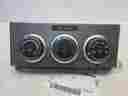
( Part Type: Control Unit ), ( Warranty: 90 Day ), ( Warranty Length: 90 Day Warranty ), ( Vehicle Interior Trim Code: G )
Review NISSAN Temperature Control Unit Oem fits VERSA 2010–2012
The 154348869 Temperature Control Unit is a crucial component for maintaining the comfort inside your 2010-2012 Nissan Versa. This unit is designed to regulate the air temperature in your vehicle's cabin, ensuring that the climate inside your car remains pleasant regardless of the external weather conditions.
The control unit is a key part of the vehicle's HVAC (Heating, Ventilation, and Air Conditioning) system. It receives signals from the temperature controls on the dashboard and translates them into commands for the heater, air conditioner, and fan. It also monitors the temperature sensors throughout the vehicle to maintain the desired temperature setting.
This Temperature Control Unit is a direct fit replacement for the original unit in your 2010-2012 Nissan Versa. It is engineered to match the precise specifications of the OEM (Original Equipment Manufacturer) part, ensuring a seamless fit and function in your vehicle.
The unit is made from high-quality materials to ensure durability and reliability. It features advanced electronics that are resistant to corrosion and wear, ensuring long-lasting performance. The control unit is also designed to be easy to install, with clear and detailed installation instructions included.
In summary, the 154348869 Temperature Control Unit is an essential component for maintaining comfort in your 2010-2012 Nissan Versa. It is a direct fit replacement, made from high-quality materials, and designed for easy installation. With this unit, you can rest assured that your vehicle's climate control system will continue to function optimally, providing you with a comfortable driving experience.
Pros of buying a 2010-2012 Nissan Versa temperature control unit (154348869):1. Availability: The part is readily available and can be easily purchased online from various retailers.
2. Cost-effective: Compared to the cost of repairing the entire AC system or replacing the entire vehicle, this part is a more affordable option.
3. Straightforward installation: The temperature control unit is a relatively simple component to replace, and the installation process is straightforward for most DIY car enthusiasts.
4. Improved system performance: Replacing a faulty temperature control unit can improve the overall performance of the vehicle's air conditioning system, making it more efficient and reliable.
Cons of buying a 2010-2012 Nissan Versa temperature control unit (154348869):1. Quality concerns: Some customers have reported issues with the quality of the part, such as poor fit and finish, and defects that required additional repair work.
2. Compatibility issues: It is essential to ensure that the part is compatible with your specific model and year of Nissan Versa. Incorrectly installed or incompatible parts can lead to further damage to the vehicle's air conditioning system.
3. Potential for additional parts replacement: Replacing the temperature control unit may not solve all the issues with the vehicle's air conditioning system. Additional parts, such as the compressor or evaporator, may need to be replaced as well.
Conclusion:The 2010-2012 Nissan Versa temperature control unit (154348869) can be a cost-effective and straightforward solution to repairing a faulty air conditioning system. However, it is essential to consider the potential quality concerns and compatibility issues before making a purchase. It is also a good idea to conduct additional research and consult with a professional mechanic to determine if this part is the best solution for your specific vehicle.
Recommendation:If you are considering purchasing the 2010-2012 Nissan Versa temperature control unit (154348869), I would recommend doing your research and comparing prices from multiple retailers to ensure you are getting the best deal. Additionally, I would recommend consulting with a professional mechanic to ensure that this part is the best solution for your specific vehicle and to avoid any potential compatibility issues. By following these steps, you can make an informed decision and save yourself time, money, and frustration in the long run.
Details:
part #: 154348869 prices
- $34.39-$104.40
specifications nssnheatcontrol:
- for models: Versa
- for makes: Nissan
- for years: 2010-2012
- part type: Control Unit
- warranty: 90 Day
- warranty length: 90 Day Warranty
- vehicle interior trim code: G
Returns nssnheatcontrol:
- policy: returns accepted
- paid by: Buyer
- time: 30 Days
- details: Please check the listing for important warranty information regarding the item being sold. Some listings include a warranty and others do not. Each listing will clearly state the warranty length if applicable. Any listing that says Sold AS-IS does not include a warranty and all sales are final. Warranties do NOT cover any labor costs! NO EXCEPTIONS Parts Covered by Warranty: In case the part sold fails to work due to defective materials or wrong fitment provided customer ordered correctly for their vehicle, will issue a full refund up to the cost of the part purchased price no refunds for labor costs. If the part you receive does not fit or work in your vehicle, we may ask you for a digital picture and your vehicles VIN number so we can properly assist you. NO REPLACEMENTS Items NOT Covered by Warranty: For parts that are not defective, but are returned, the following will apply: 20% Restocking Fee, shipping costs are not refunded, and customer pays for shipping the part back. Airbags, seat belts, and tires are sold AS IS Use of Freight Forwarders VOIDS all warranties: Online will ship the part to the address provided, however our policy about forwarded packages is that once the item leaves the USA, returns/warranties/or refunds are no longer valid. This means that if the part is not the correct part, does not work properly, or becomes damaged in any way due to the length of transit time, we will not cover it under our return or warranty policies. We will also not refund any additional costs of shipping due to forwarded items.
- type: Money Back
Ratings:
- Well packed, delivered internationally in about 10 days, excellent condition! 06-13-17
- Honest 06-13-17
- Great seller!!! 06-13-17
- Super fast shipping item works as it should packaging was great 06-13-17
- good for the dealer like us 06-13-17
Seller nssnheatcontrol:
- city: Cumberland, Ontario
- zipcode: K4C-1M1
Payments nssnheatcontrol:
- PayPal
General nssnheatcontrol:
- in stock: Yes
- motors > partsaccessories > cartruck parts > air conditioningheat auto parts > Nissan acheater controls
- condition: Used
Shipping nssnheatcontrol:
- type: Flat
- handling: 3 days
- cost: $0.0
Offer nssnheatcontrol:
- Sold: 0
- bids: 0
- best offer: false
- Started: June 13, 2017, 5:33 pm
- quantity: 1
Nissan 154348869 Is Similar To:
- 100520005 1018760 Nissan Titan Temp Ac Air Heat Climate Control Switch Unit (22.8% similar) This listing is for the climate control pictured above listed vehicles. Buyers must confirm compatibility prior to purchase. This unit comes with a 30 day warranty. Please do your best to make sure getting the correct part. Any buyers outside of that must get a shipping quote prior to purchase. This...(April 26th, 2018)
- -59508 Nissan Versa Condenser Sedan 12 (34.2% similar) A signature is required for all deliveries...(February 24th, 2017)
- Zk229hac144 Lkq 156705733 Zk229hac144 Nissan 2012 (53.3% similar) ...(July 23rd, 2017)
- Zk416hac144 Lkq 155489766 Zk416hac144 Nissan 2008 (53.3% similar) ...(August 14th, 2017)
- Zk490hac144 Lkq 155031773 Zk490hac144 Nissan 2014 (53.3% similar) ...(June 21st, 2017)
- Zk569hac144 Lkq 157416582 Zk569hac144 Nissan 2008 (55.6% similar) ...(August 14th, 2017)
- Zk576hac144 Lkq 157864922 Zk576hac144 Nissan 2007 (53.3% similar) ...(July 29th, 2017)
- Zk589hac144 Lkq 158099802 Zk589hac144 Nissan 2011 (53.3% similar) ...(July 27th, 2017)
- Zk600hac144 Lkq 158170944 Zk600hac144 Nissan 2012 (53.3% similar) ...(July 25th, 2017)
- Zl034hac144 167844025lkq Zl034hac144 Nissan 2016 Versa (38.7% similar) ...(November 28th, 2017)
- Zl132hac144 169145618lkq Zl132hac144 Nissan 2014 Versa (40.9% similar) ...(December 13th, 2017)